Fender Custom Shop Telecaster Keith Richards Prototype

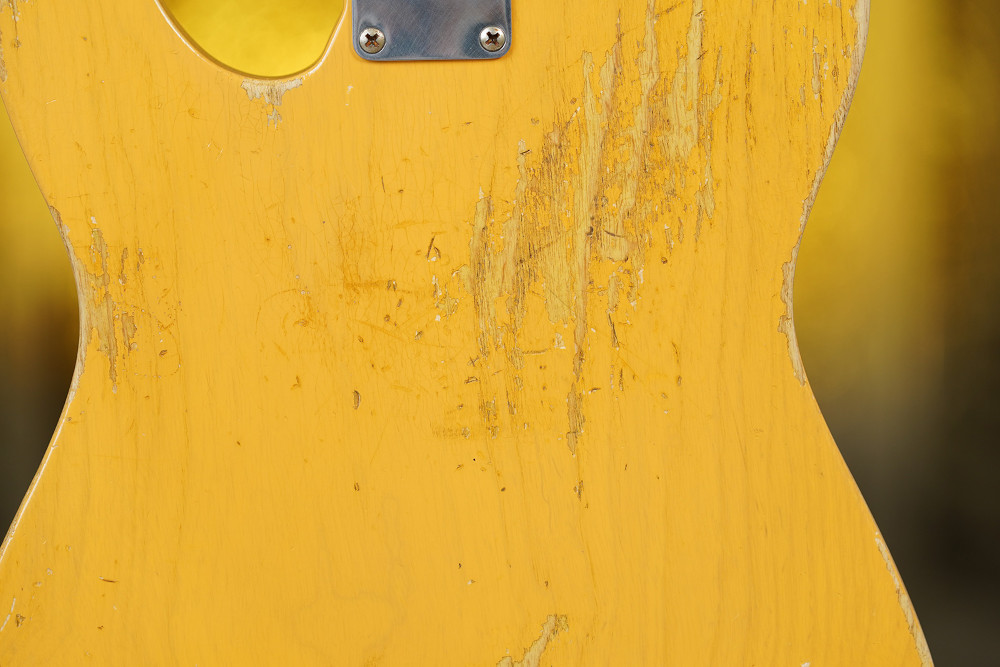
Fender Custom Shop Telecaster Keith Richards Prototype
No guitarist has sold more butterscotch Telecasters than Keith Richards — and yet, no Fender has ever borne his name. There has never been a Richards signature model, while Ron Wood has had multiple signature models released by Duesenberg, Gibson, and ESP. The British rock pirate likely never saw the need to launch such a project.
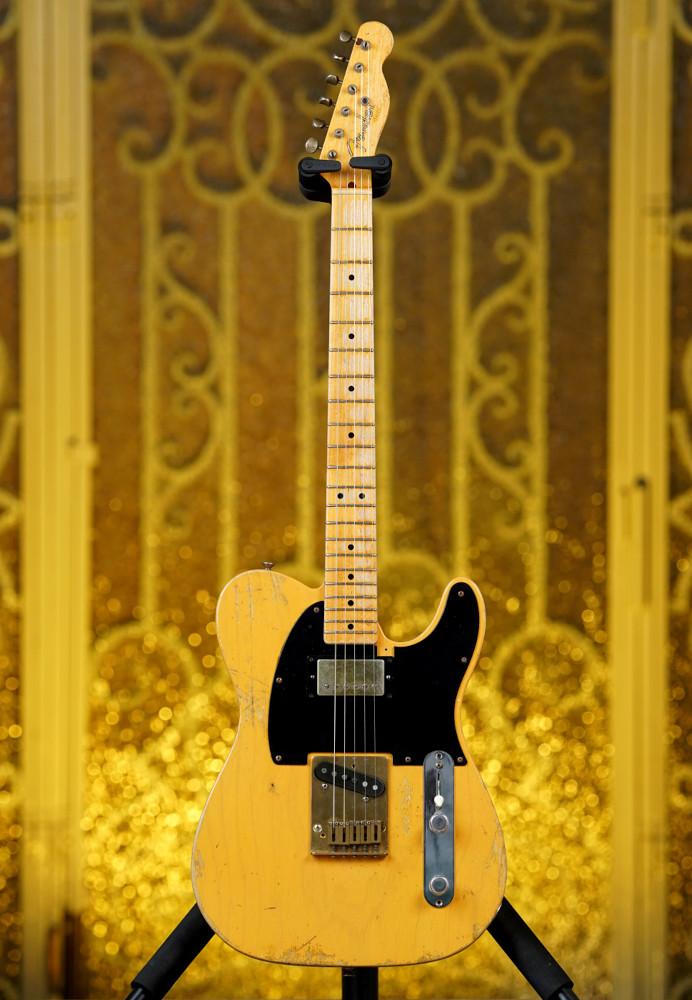
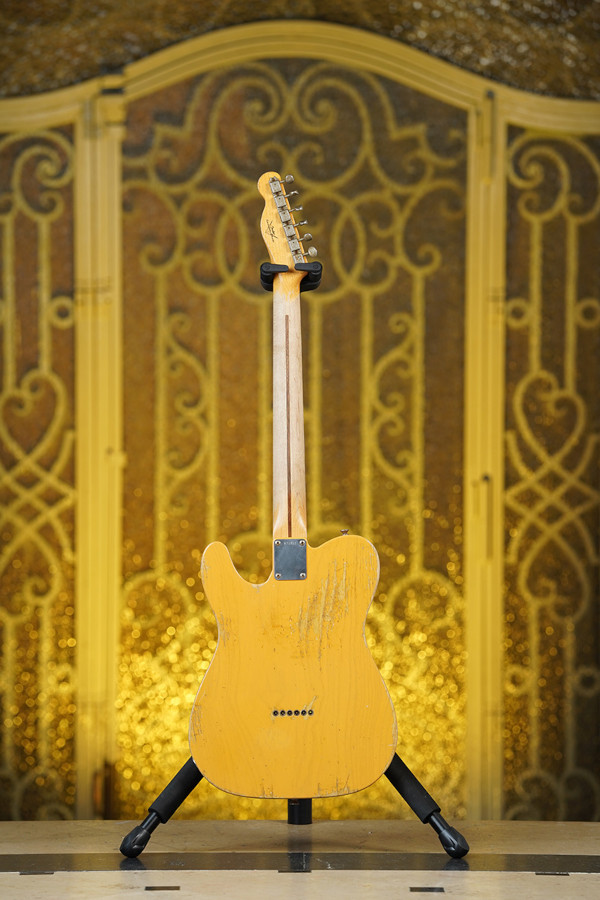
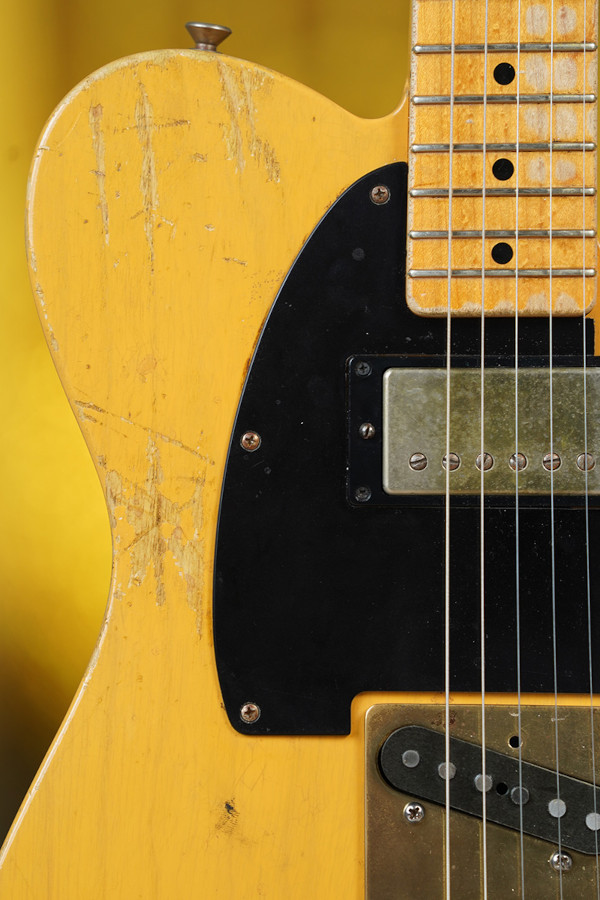
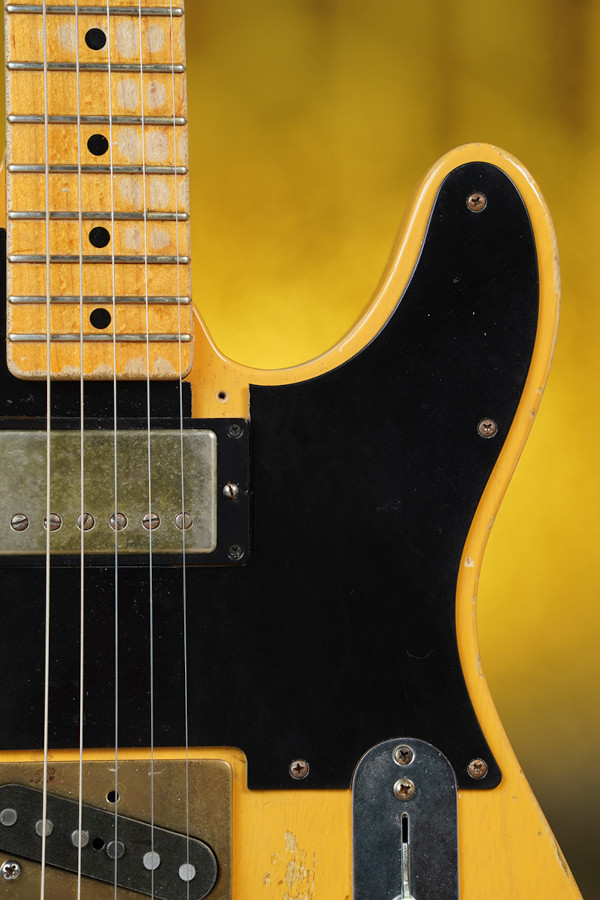
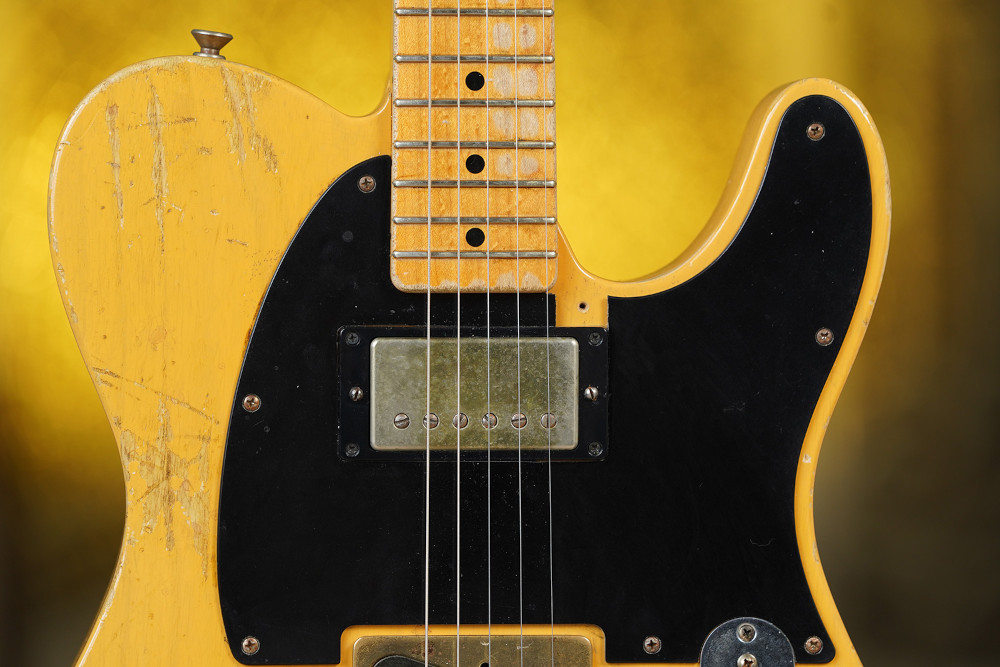
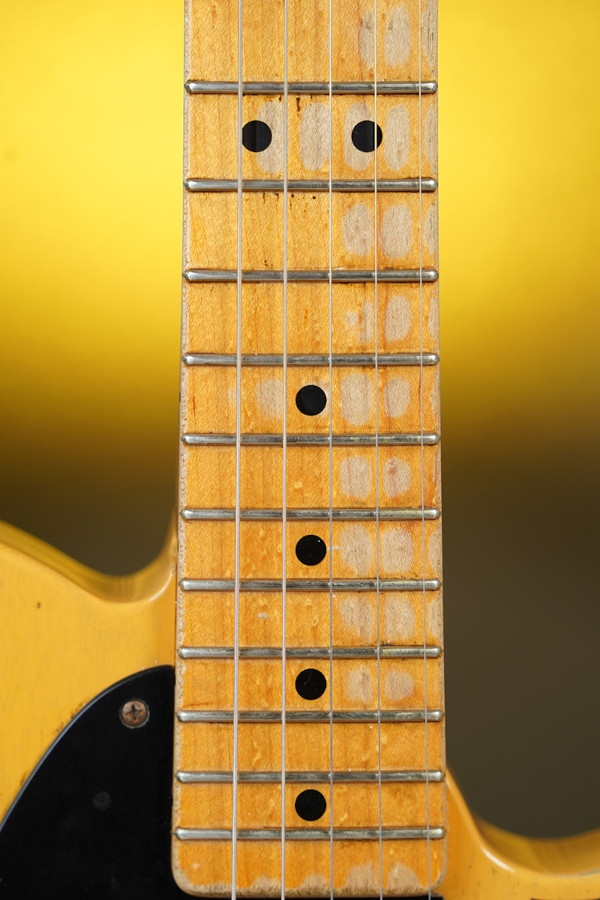
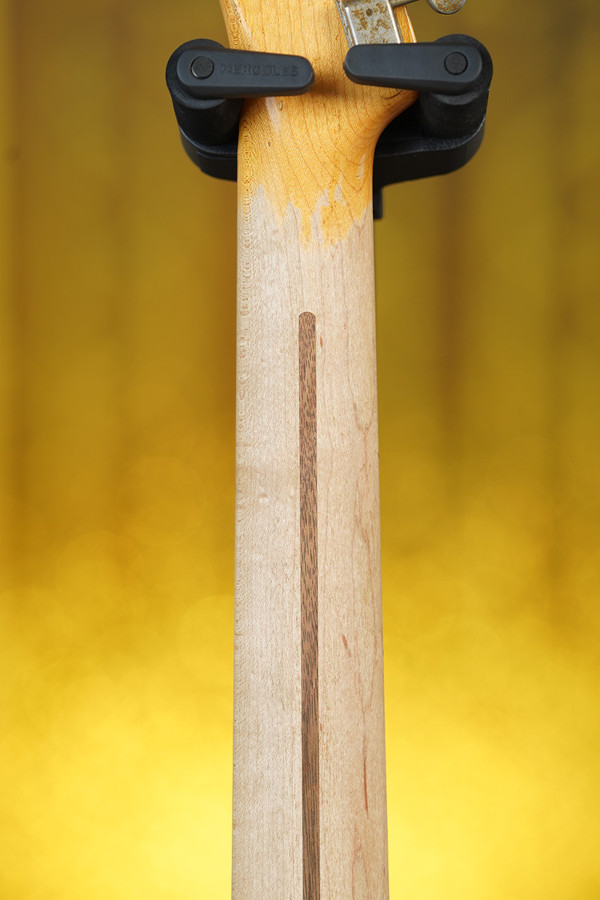
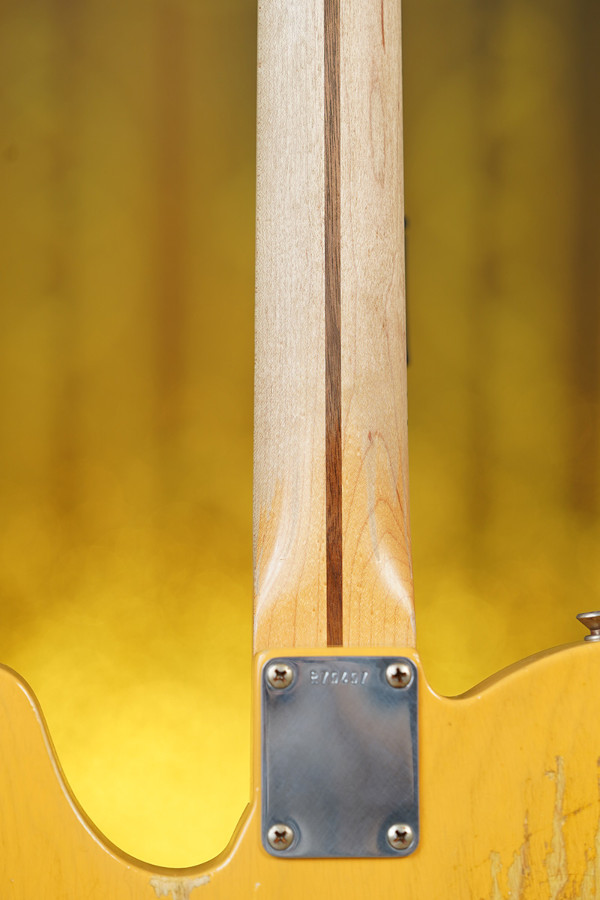
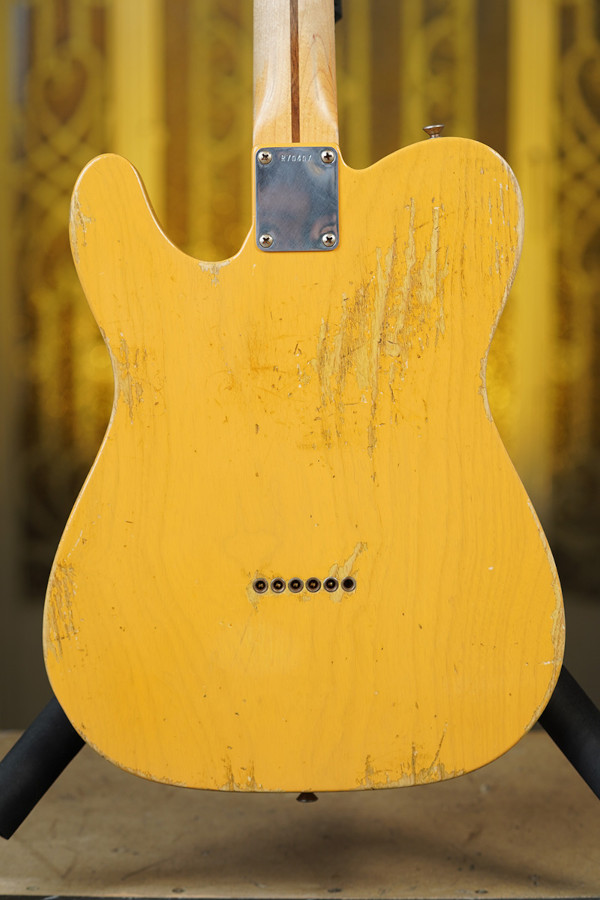
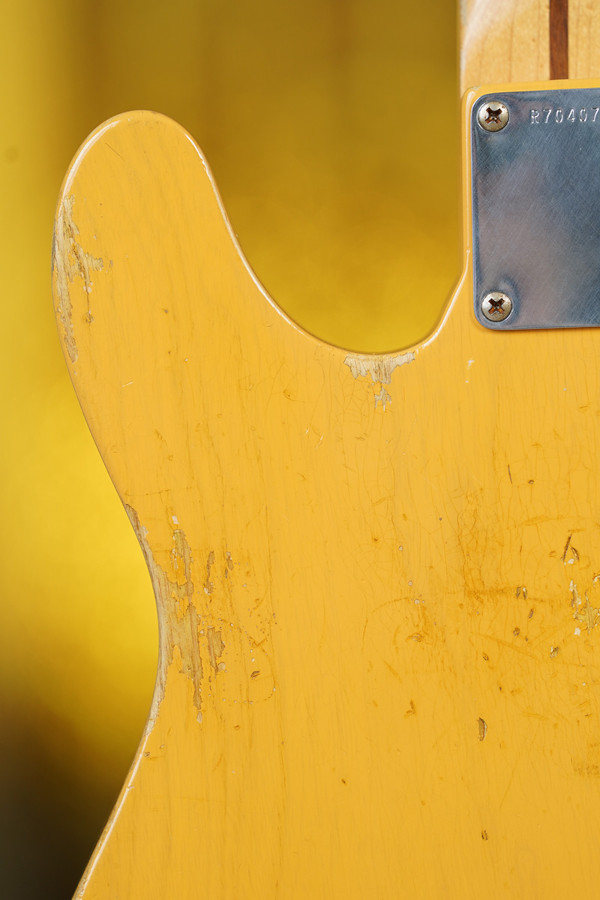
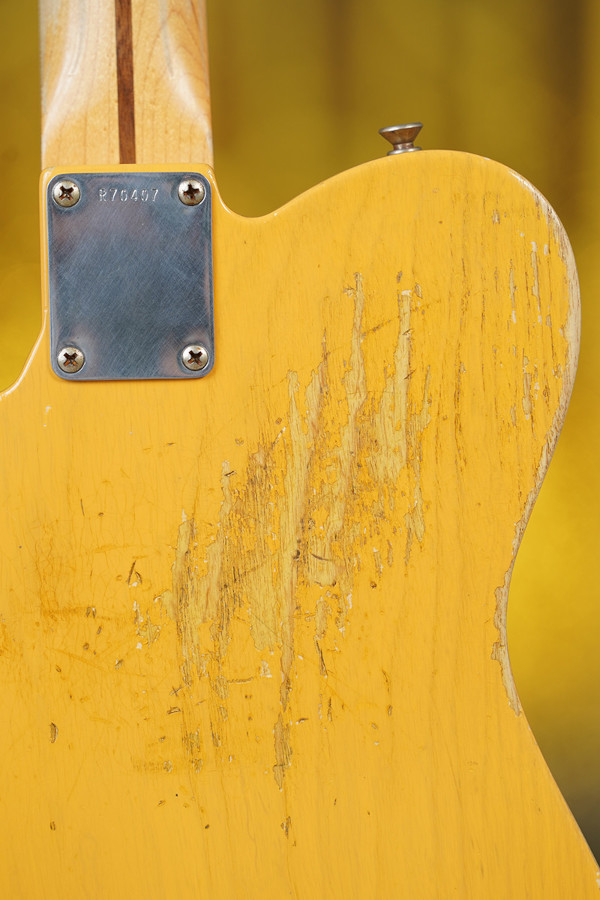
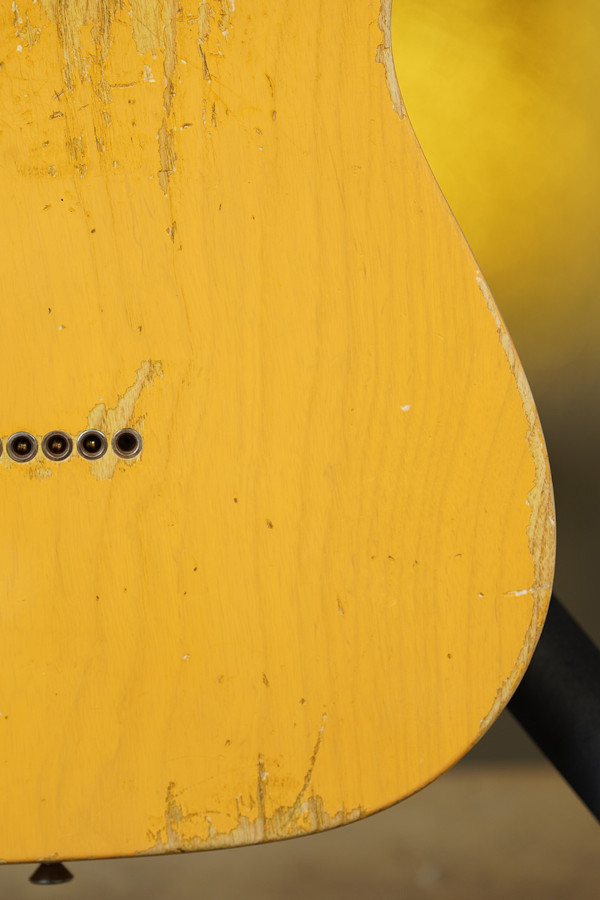
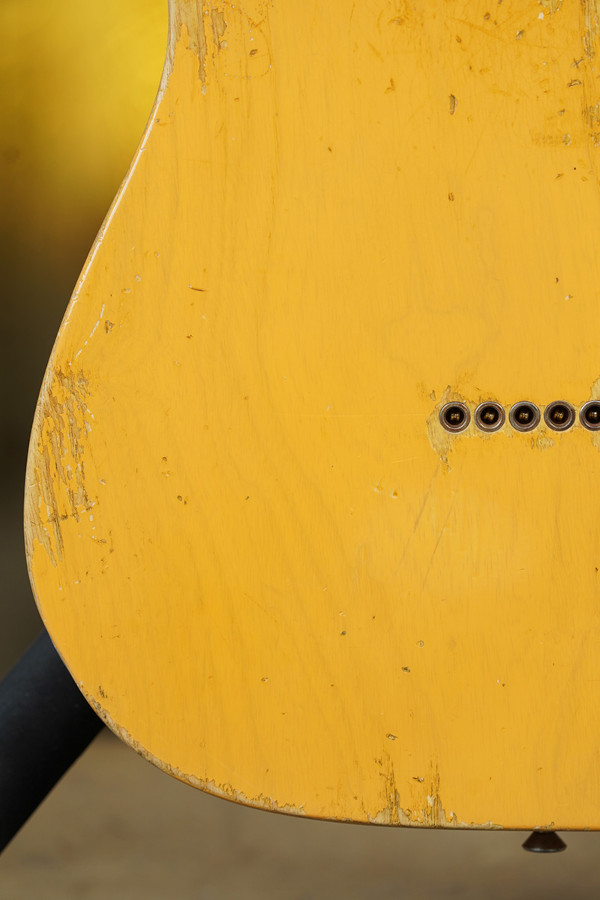
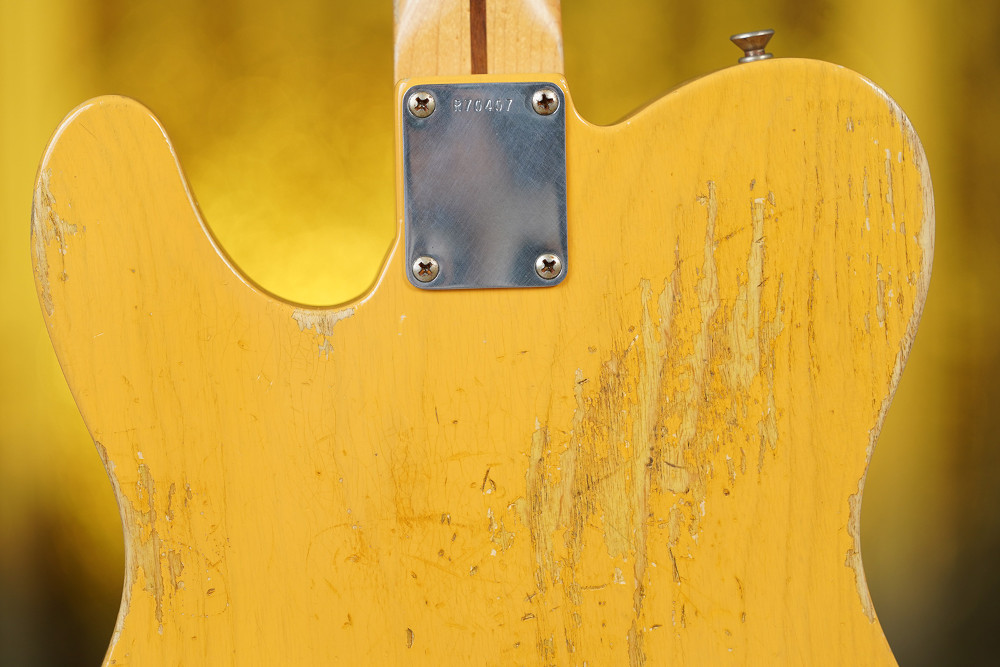
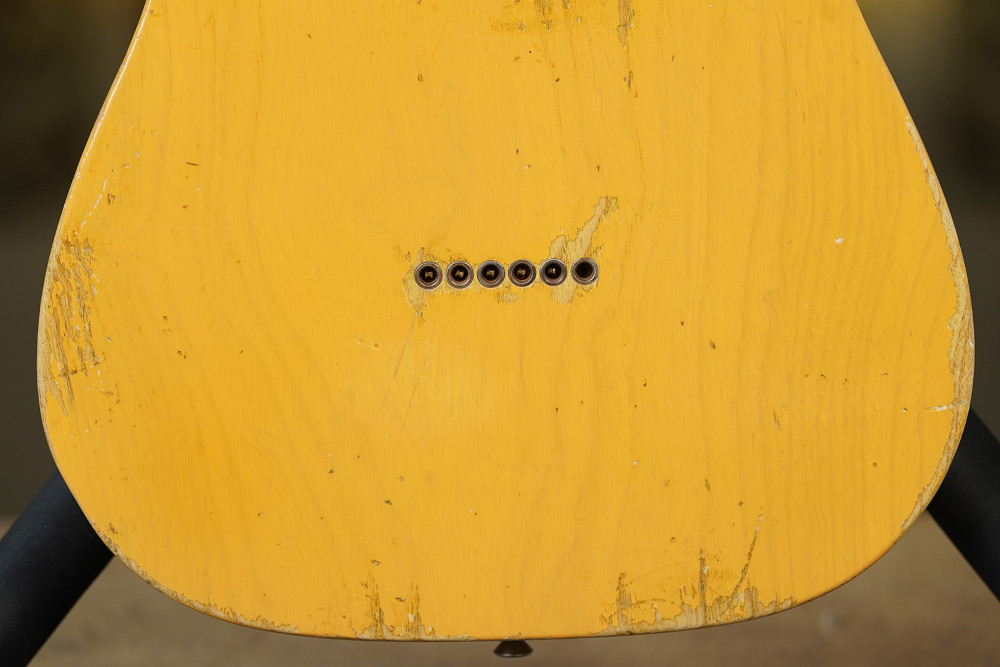
No Fender model has carried Richards’ name, but this Tele comes as close as it gets. It’s an instrument built in 2014 by the Fender Custom Shop for the Rolling Stones’ leader, and he took it straight out on the *14 On Fire* tour. Even without knowing its history, one glance is enough to recognize Micawber — the legendary 1954 Tele that won Richards over and has been with him on every Stones album since *Exile On Main Street* in 1972.
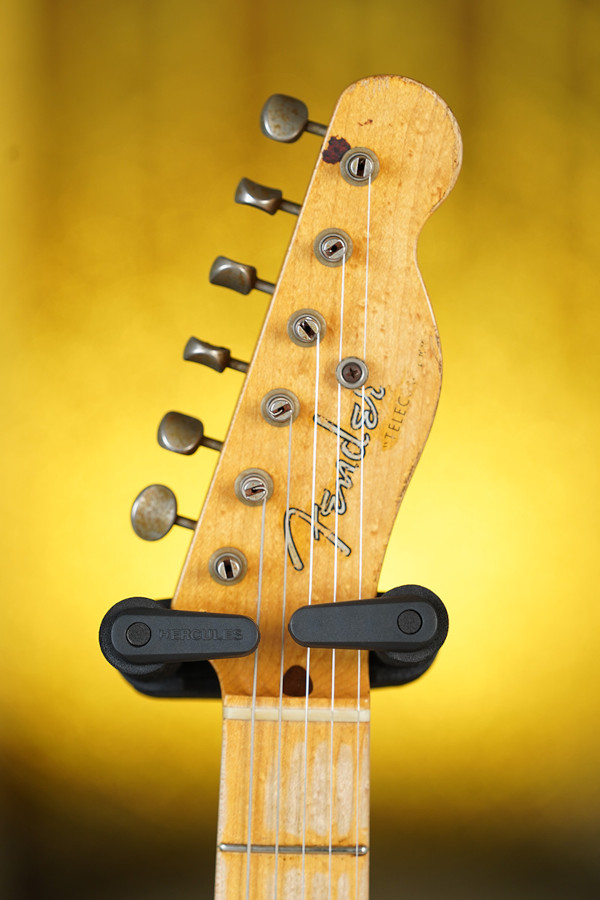
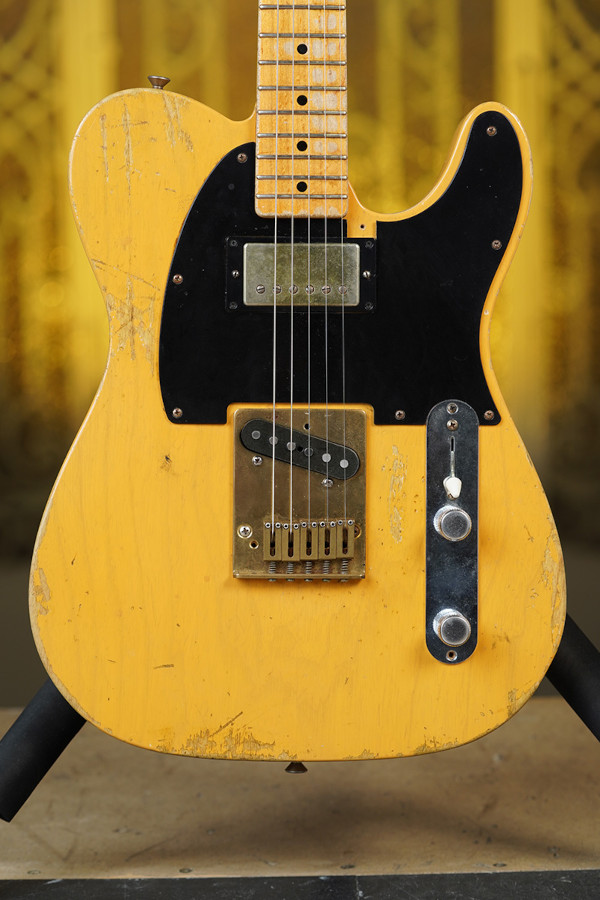
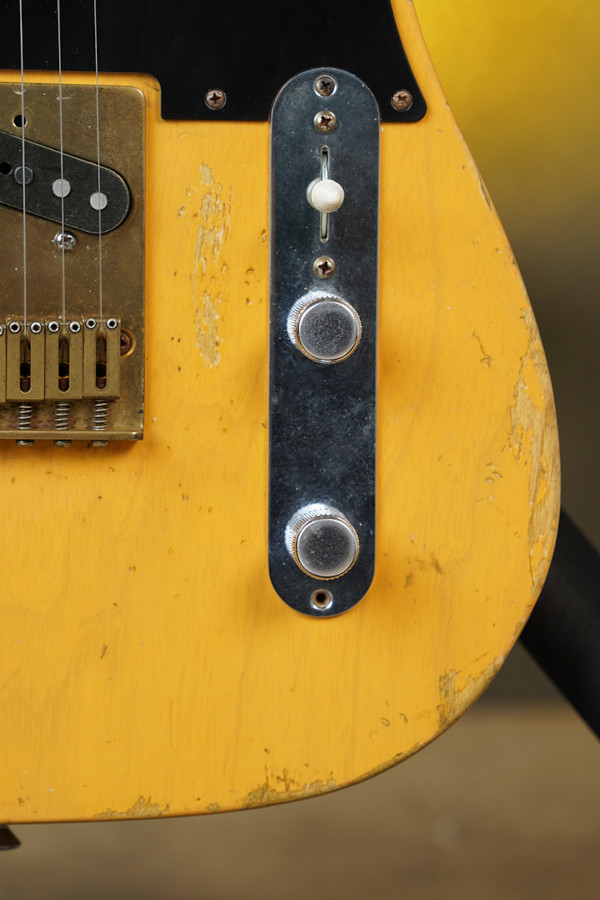
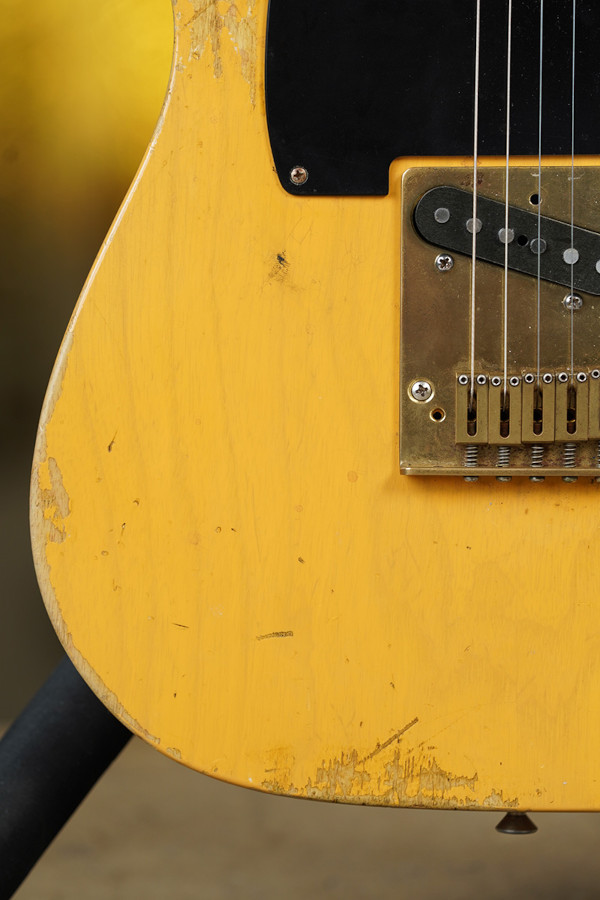
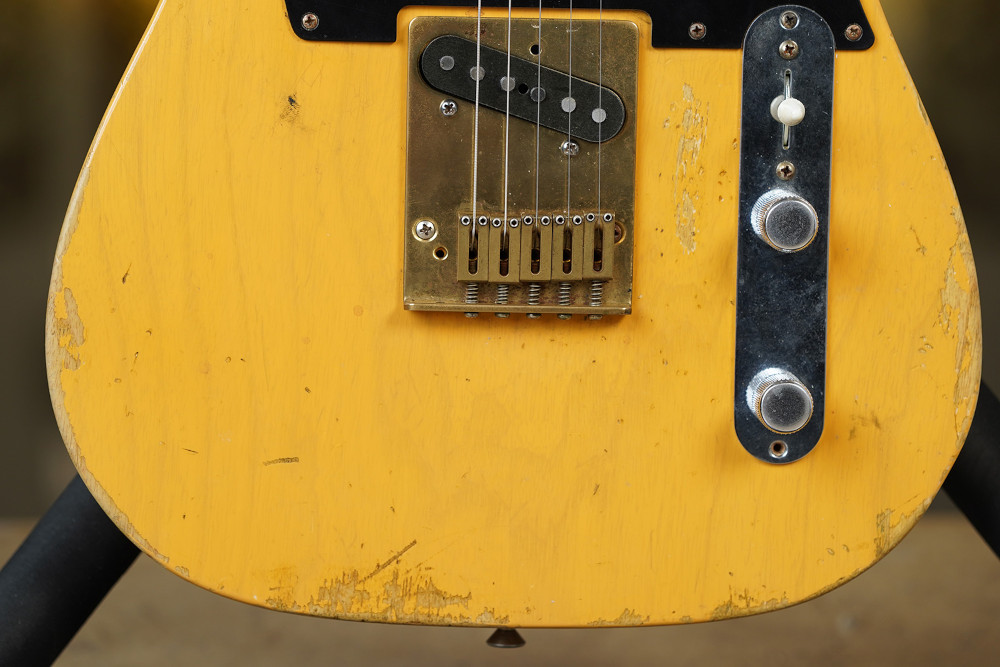
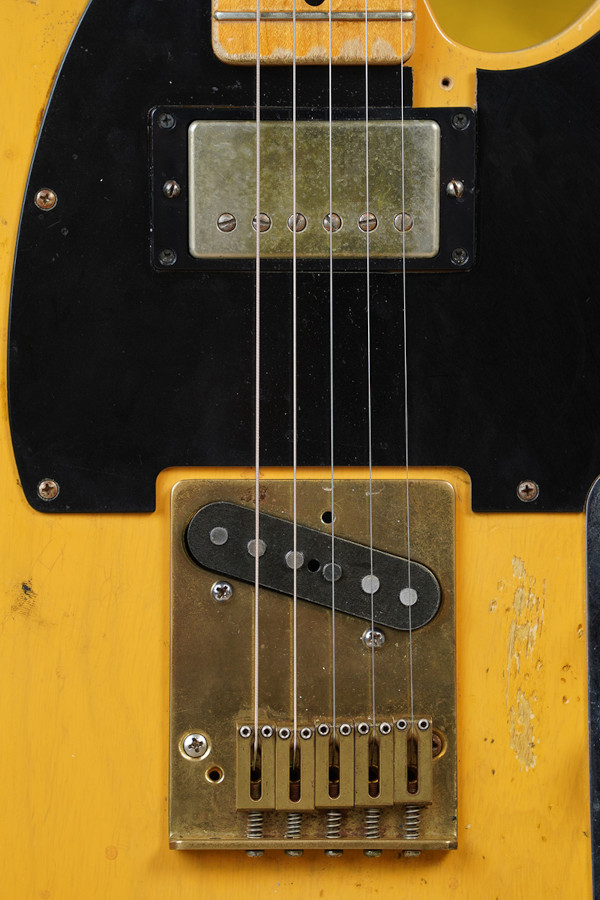
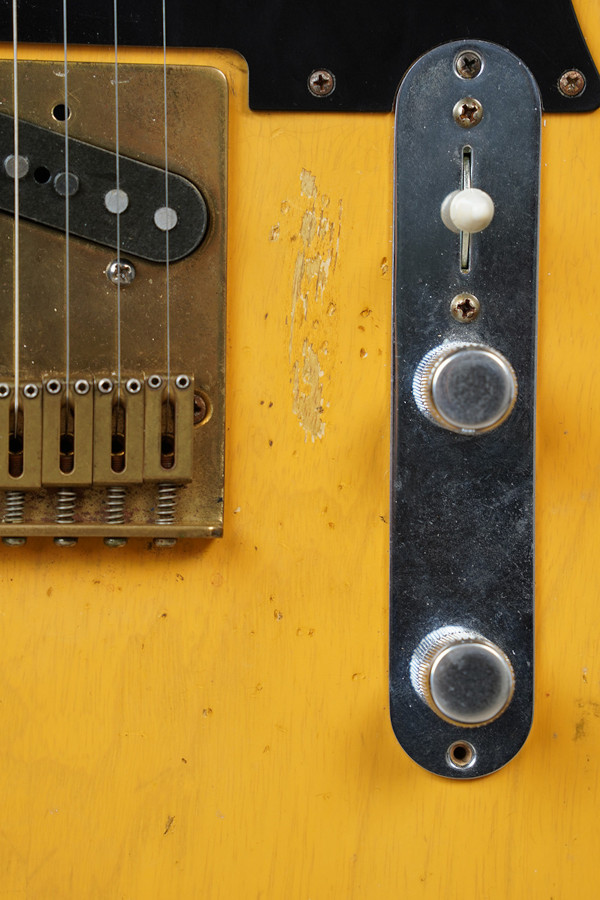
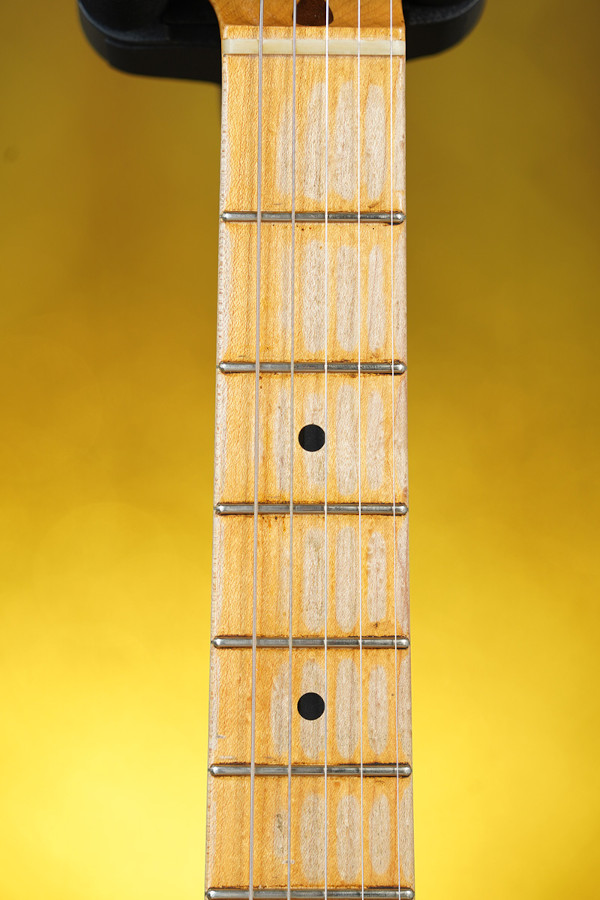
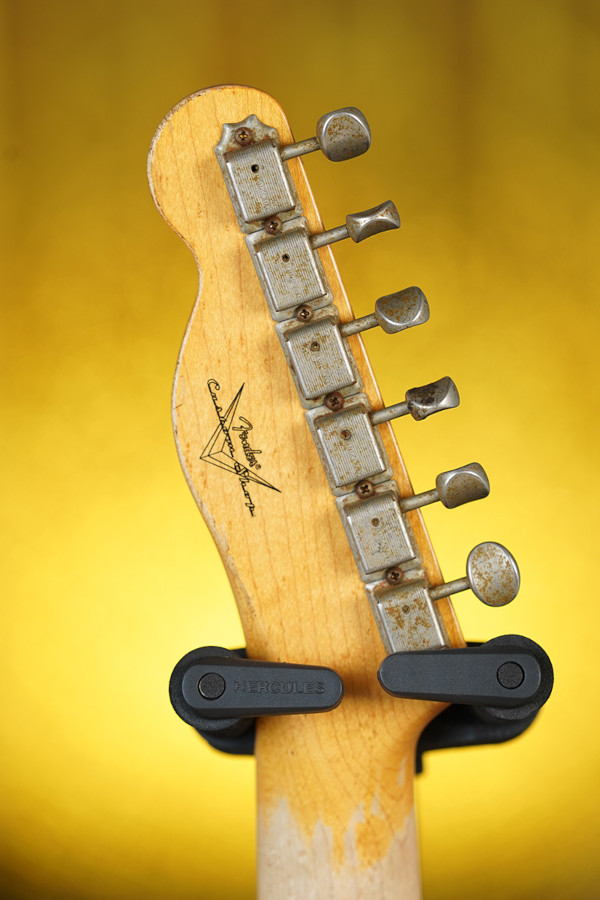
Like Micawber, this Tele features a neck-position humbucker with a black pickup ring on a black pickguard, and a section of the guard trimmed near the neck. Like Micawber, it’s equipped with a five-saddle bridge, as Richards plays his Tele in open G tuning without the low E string. A few small details are missing to make it a perfect replica — such as the Sperzel tuners, the white Strat-style switch tip, or the missing dot at the seventeenth fret.
These approximations would likely have been corrected if the model had become a formal project. But Richards, always unyielding, returned the guitar to the Custom Shop after the tour — along with two cigarette butts still inside the case. The certificate clearly states “KR Prototype,” making this a historic instrument documenting a signature model that never came to be. And incidentally, it’s a butterscotch Tele played on stage by Keith Richards. Do you really need to know more?
Step into the legendary world of Matt’s Guitar Shop, the guitar store in Paris, and discover unique pieces like the Randy Rhoads Guitar, the iconic Rory Gallagher Guitar, the Aerosmith Guitar, the Cliff Williams Bass, the John Frusciante Guitar, the KISS Guitar, and the legendary Gene Simmons Bass.
Have questions about this product? Contact us!
Keith Richards (1943)
Band: The Rolling Stones
Main guitar: Fender Telecaster
Essential listening: Can’t You Hear Me Knockin’
The human riff, the monkey man, the toxic twin… Keith Richards is an enigma that fascinates far beyond the musical realm. Scientists still have no explanation for how he remains alive after a life marked by excess of every kind.
But beyond the sensationalism of his novel-like life, Richards is a musician of rare stature, the inventor of a style entirely his own that has inspired the vast majority of rock guitarists who followed. In the beginning, when he formed his band (not yet called The Rolling Stones) with Jagger in 1960, Richards was deeply influenced by Chuck Berry, an idol he never abandoned. His playing combined Berry’s riffs with the loose, instinctive bends of the roots blues records he cherished.
As the band’s music evolved toward the late 1960s, around the time of Let It Bleed, the Stones became the undisputed leaders of a gritty, blues-soaked rock sound somewhere between London and the bayou. It was then that Richards wrote his greatest riffs in open G tuning. This new color, inspired by Ry Cooder, allowed Keith to develop a rawer, sharper approach that perfectly matched the harder overall sound and the arrival of Mick Taylor on second guitar.
Richards is a rhythm guitarist in the noblest sense of the term, embodying the quiet authority of a role that appears modest but is absolutely essential. He holds the structure together, drives the band forward, and gives it that elastic sound of two guitars playing off one another in perfect complement. His musical partnership with Ron Wood borders on telepathy, with both players responding instinctively without ever stepping on each other’s toes.
And then there is that sound: at times a merciless Telecaster, at others a softer yet no less dangerous acoustic Gibson. Whether with his main band, his side project X-Pensive Winos, on his excellent solo albums, or as a distinguished guest alongside Tom Waits, Richards’ signature can be recognized within just a few notes.
Mick Jagger, The Rolling Stones
In the early 1960s, as British rock drew deeply from American blues to forge its own voice, a lanky singer with a feline gaze became the very embodiment of the modern frontman: Mick Jagger. At the helm of the Rolling Stones, he did more than sing songs—he redefined how to command a stage, engage with a crowd, and turn a concert into an electric ritual.
Mick Jagger was never just a singer. As a total performer, his body mattered as much as his voice: provocative gestures, a hip sway that became legendary, an animal energy that has crossed decades without fading. His voice—nasal, insolent, sometimes languid, sometimes razor-sharp—is one of the most instantly recognizable in rock music. Songs like Sympathy for the Devil, Gimme Shelter, Brown Sugar, and Paint It Black bear his unmistakable stamp: a blend of sensuality, danger, and biting irony.
On stage, Jagger is a pack leader. He runs, dances, taunts, disappears only to return stronger. He knows exactly when to leave space for Keith Richards, when to provoke the audience, when to suspend time with a glance or a gesture. Their relationship is one of the most fascinating in rock history: Keith is the anchor, the eternal riff; Mick is pure electricity, the spark that ignites everything. Together, they form a perfect balance between groove and theatricality.
Beyond the stage, Mick Jagger is also a strategist. He understood early on that rock could become a cultural empire. Career management, image control, extraordinary longevity—he succeeded in turning the Rolling Stones into an institution without ever stripping them of their aura of danger.
One thing is certain: Mick Jagger is one of the greatest frontmen in the history of rock. With his provocative voice, incandescent charisma, and keen stage intelligence, he proved that a singer can be at once interpreter, dancer, actor, and conductor. An electric, elusive captain who continues to remind us that rock is not just music—it is presence, a body in motion, an attitude toward the world.
Additional information
| Disponibilité | |
|---|---|
| Marque | |
| Artiste associé |


Reviews